Mount Nebo and Madaba: Moses and Mosaics
Two of Jordan's most profound spiritual sites sit just 30 minutes apart — the mountain where Moses glimpsed the Promised Land and the city where a 1,500-year-old mosaic map still marks the holy sites.
Mount Nebo: where Moses stood
According to the Book of Deuteronomy, God showed Moses the Promised Land from the summit of Mount Nebo — the mountain where Moses subsequently died, at 120 years old, without ever crossing the Jordan. Christians, Jews and Muslims all hold the site in reverence; it is one of the most visited religious sites in the Middle East.
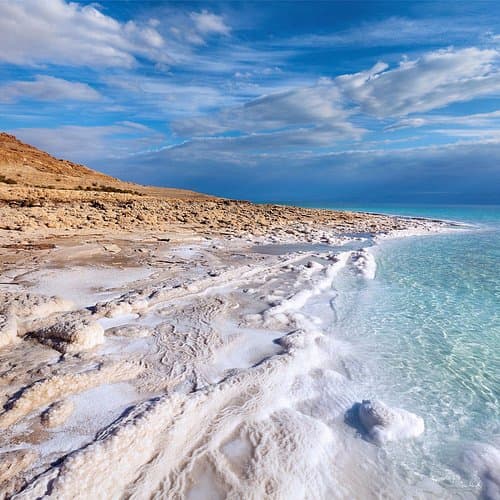
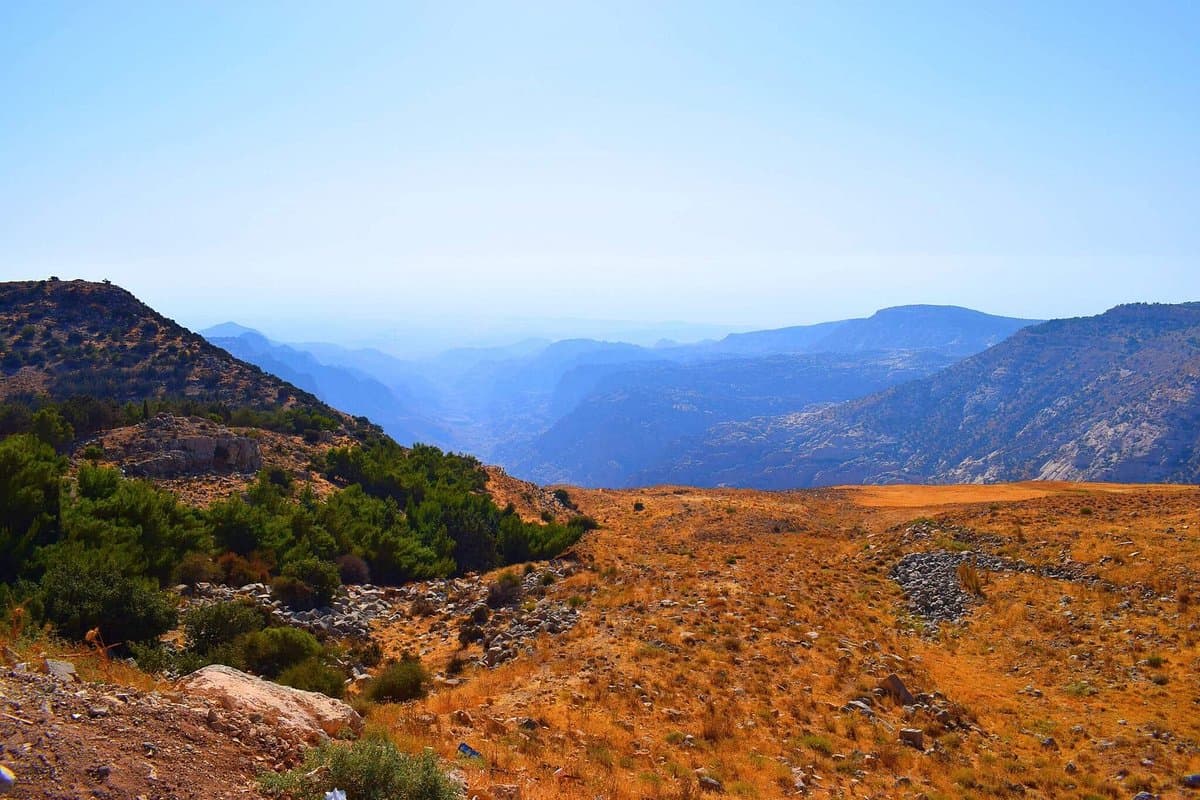
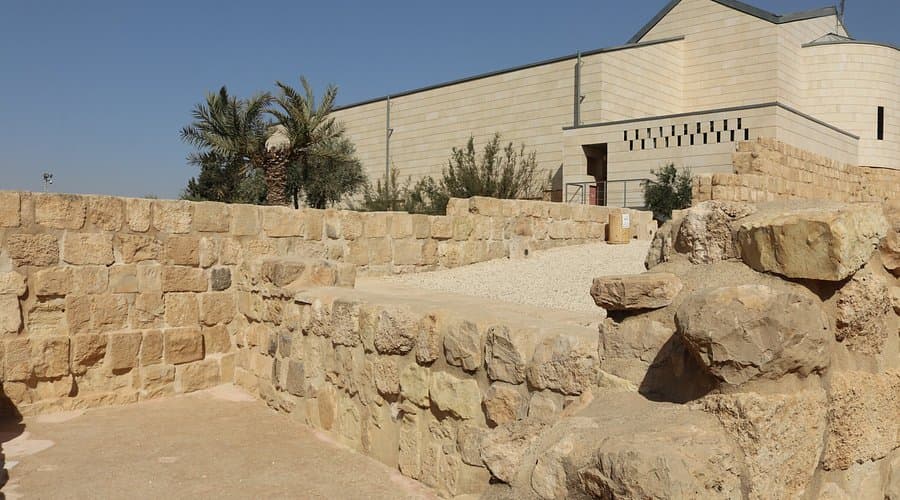
The Franciscan church at the summit, rebuilt over a Byzantine basilica and mosaic floor, has stood on this hilltop since the 4th century. The famous Serpentine Cross — a bronze sculpture based on the staff of Moses and the cross of Christ — stands at the edge of the terrace. On clear days, the view encompasses Jerusalem, the Dead Sea, the Jordan Valley and, according to tradition, the very landscapes Moses saw.
Madaba: the city of mosaics
Madaba, 30 minutes east of Mount Nebo, has been continuously inhabited since at least the Iron Age and became a major Byzantine city in the 4th–7th centuries. Its churches contain some of the finest intact mosaic floors in the world.
The Madaba Map, housed in the Greek Orthodox Church of Saint George, is the oldest surviving cartographic depiction of the Holy Land. Created in the 6th century AD, it covers some 157 square metres of mosaic tiles and shows Jerusalem, Jericho, the Jordan River, the Dead Sea and over 150 other locations. It was accidentally discovered in 1884 during church construction. Standing on the edge of the map, you can orientate yourself to the actual geography it depicts.
Other highlights in Madaba
The Archaeological Park in central Madaba contains the remarkable Hippolytus Hall mosaic — a room-sized floor depicting hunting scenes, Greek mythology and season allegories in extraordinary detail and colour. The Madaba Archaeological Museum displays smaller mosaic panels and artefacts excavated from the city.
Madaba's handcraft tradition of mosaic-making is still alive: dozens of workshops near the main square sell mosaic pieces made by local artisans using traditional Byzantine techniques. Visiting a workshop and watching the craftspeople at work is worth an hour of any itinerary.
Combining Nebo and Madaba
Both sites fit comfortably into a half-day from Amman (45 minutes drive) or as a natural stop on the road south to the Dead Sea and Petra. A logical order is to stop at Madaba first for the mosaics, then drive the 9 km west to Mount Nebo for the view and the sunset.
The combination works particularly well for travellers with an interest in Biblical history, religious tourism, or Byzantine art. For those with more time, the nearby Baptism Site (35 km northwest) and the Wadi Mujib overlook complete an excellent full-day circuit from Amman.